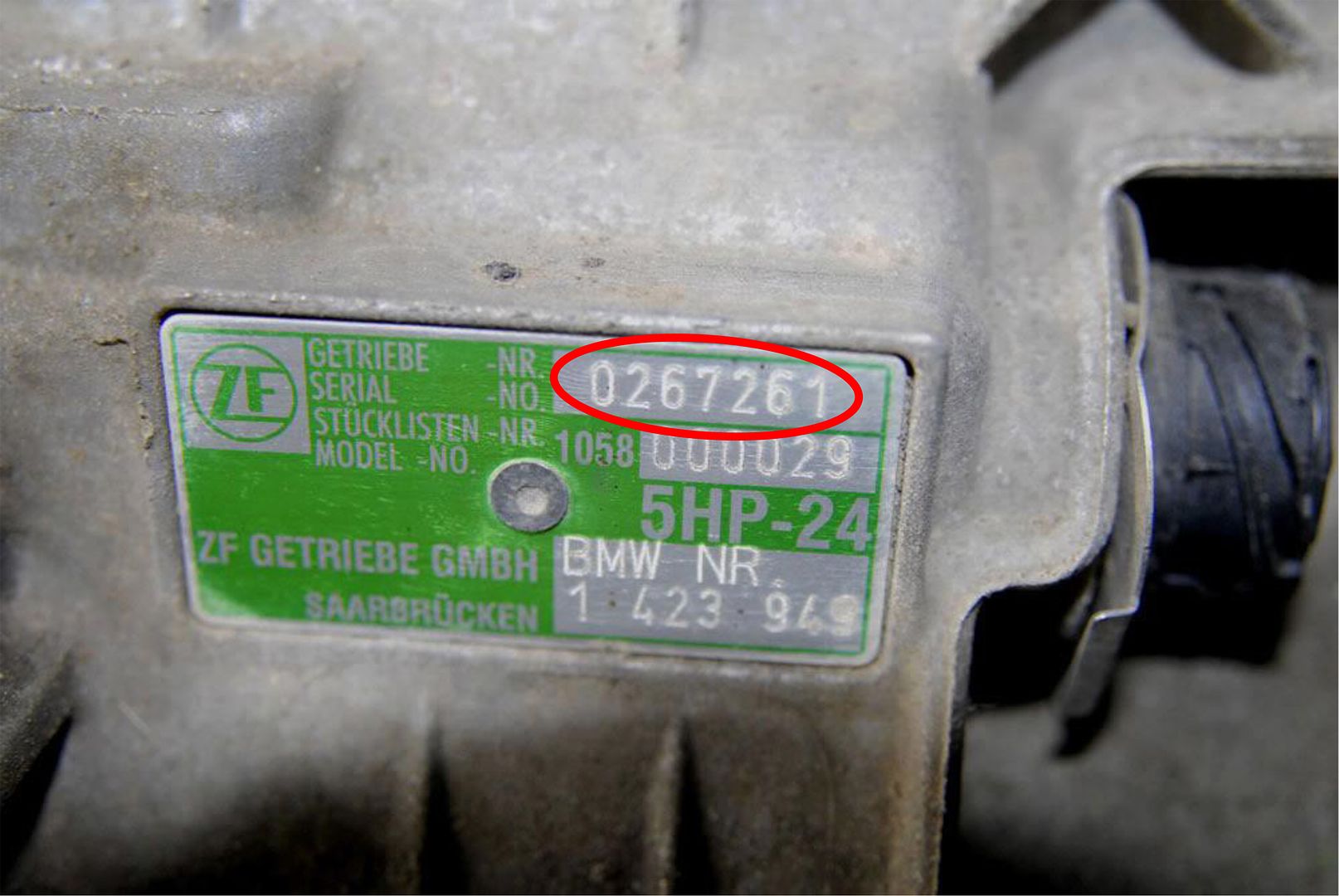
You have a ZF 5HP24 transmission, ZF model number 1058 000 029.
Assuming for a moment that you don’t have an electronic/electrical issue, but a mechanical/hydraulic one instead:
Reverse requires two clutches to be engaged, C & F.
In August 2001 ZF carried out modification number 8740B where they changed the material of the F brake piston due to wear issues and subsequent pressure leakage.
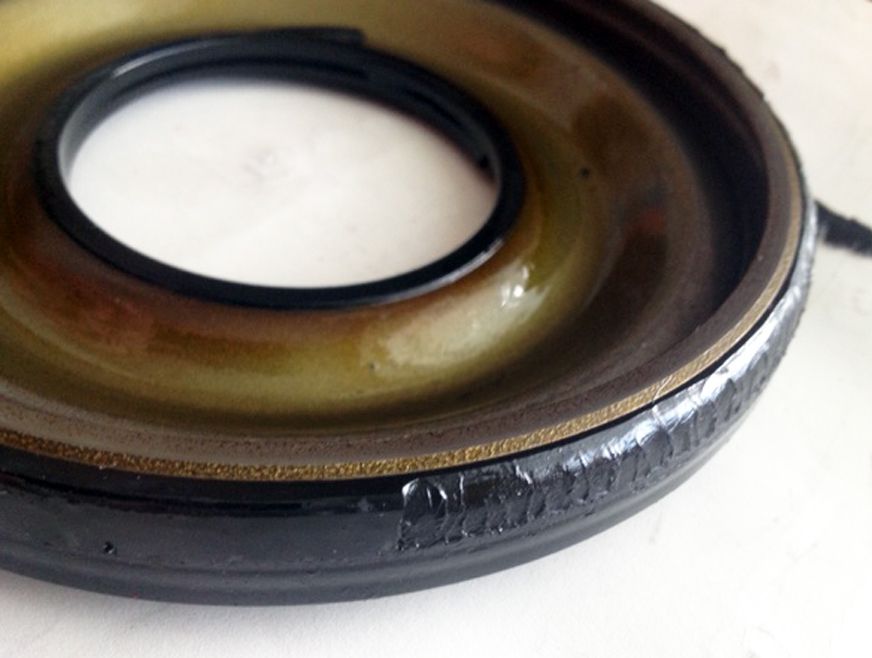
The piston part number changed from 0501 208 317 to 0501 212 967.
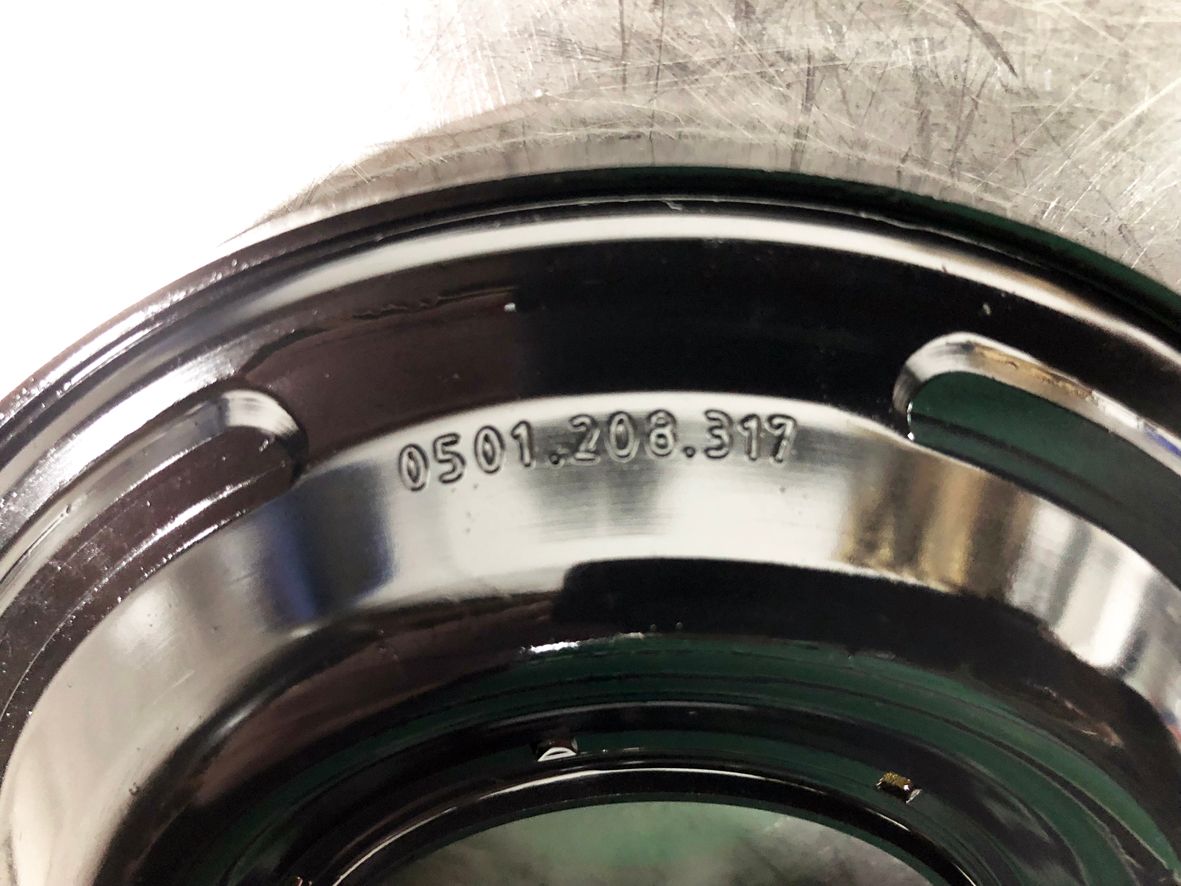
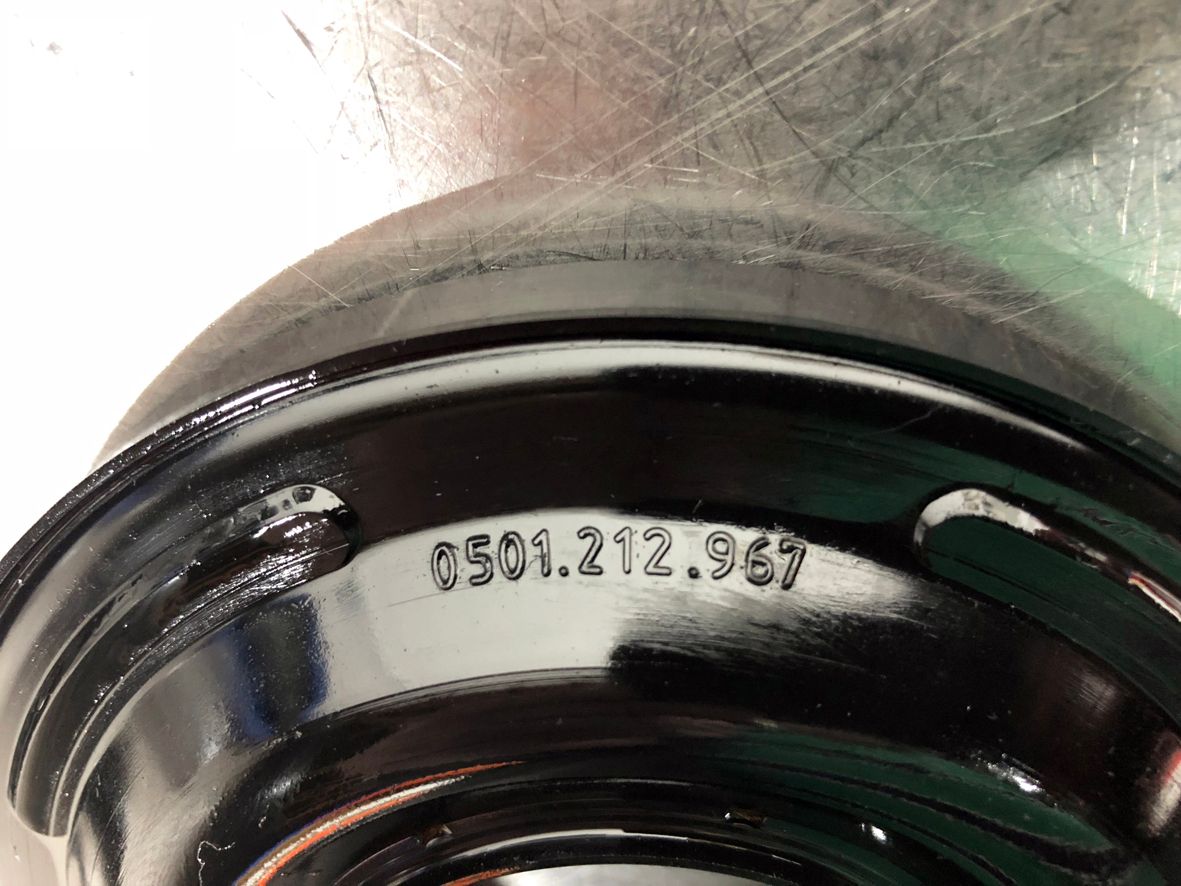
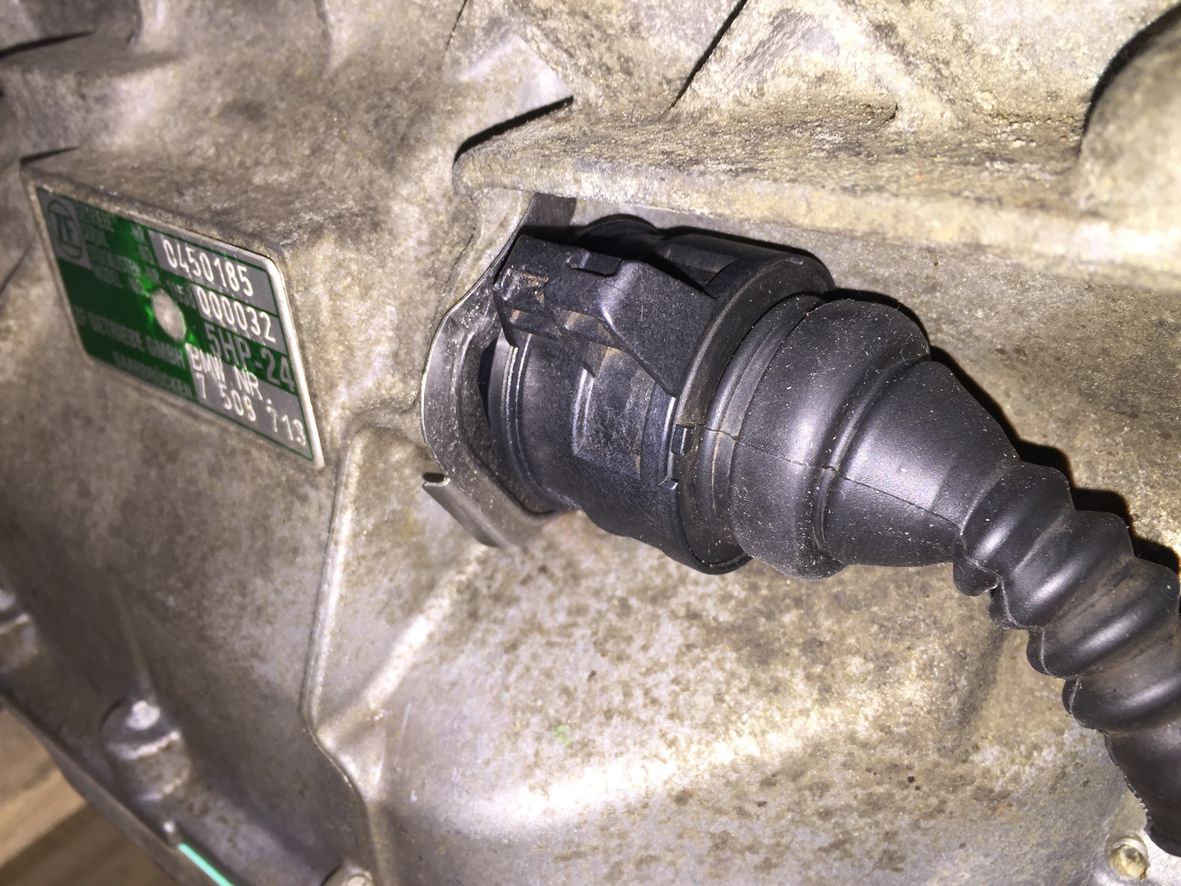
As yours is a 2001 model it may, or may not, have the upgraded piston fitted. If you can supply me with the serial number off the green ID plate rivetted to the left-hand side of the maincase, I can tell you.
Another possibility is leakage in the C clutch circuit. To ensure smooth engagement of reverse from neutral when stationary, the C clutch has an accumulator or damper circuit which allows the clutch to fill quickly but then slows the application of pressure (and therefore torque capacity) using a system of one-way orifice valves, to prevent harsh engagement.
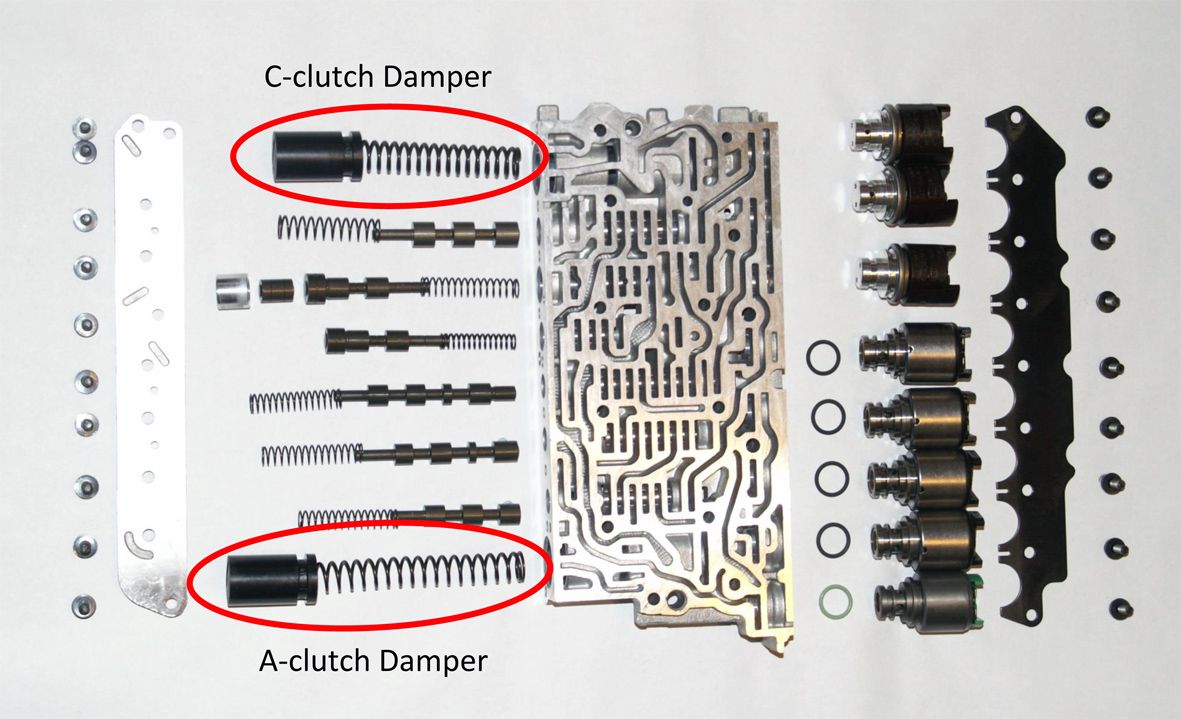
The underside of the damper/accumulator is fed with modulated system pressure. At zero throttle the modulation pressure will be low and the accumulator piston can move freely, allowing the system to provide smooth engagement. If the transmission is in failsafe then the modulation pressure is at its maximum and it prevents the damper from moving, thereby bypassing the orifice valves and allowing the clutch to engage at full pressure. If there is hydraulic leakage in the C clutch circuit the clutch will not therefore engage when the accumulator circuit is active, but will engage in failsafe mode. This can also be demonstrated by temporarily removing the connector from the 16-pin plug on the back of the transmission.
Anyway, this is all just speculation. You first need to eliminate the possibility of it being an electronic/electrical fault, which would be much cheaper to fix!
Phil